Electronics Recycling: Eco-Friendly Disposal Solutions for Computers
Sustainable Solutions: How E-Waste Recycling Services Are Saving Our Planet
Electronic waste presents serious dangers to the environment, as discarded electronics often contain toxic materials. Such dangerous compounds can pollute soil and water supplies, causing extensive damage to surrounding ecosystems. E-waste recycling services present a viable solution. They not only recover valuable resources but also mitigate pollution. Comprehending the operation of these services and their influence on communities is of great importance. The journey towards effective e-waste management raises critical questions about individual responsibility and collective action. What actions should be considered going forward?
How E-Waste Is Hurting the Planet
Even though technology enriches our daily lives, e-waste poses significant environmental threats. Disposed electronic equipment, often containing dangerous compounds like cadmium, lead, and mercury, are capable of seeping pollutants into the surrounding soil and water supply, posing risks to human health and ecosystems. The accelerating rate of technological innovation leads to greater consumer replacement of electronic devices, exacerbating the accumulation of e-waste.
Landfills, already burdened with waste, struggle to accommodate the growing volumes of discarded gadgets. Incineration, a common waste management technique, emits dangerous pollutants into the environment, degrading atmospheric conditions. Furthermore, inadequate recycling methods can result in the shipment of electronic waste to underdeveloped nations, where workers may break down equipment without proper protective measures, putting themselves at risk of exposure to hazardous materials. This ongoing cycle of carelessness and inadequate management emphasizes the pressing necessity for responsible recycling initiatives that can lessen the harmful consequences of e-waste on our world.
Understanding E-Waste and Its Significance
Electronic waste, commonly known as e-waste, encompasses discarded electronic devices including computers, smartphones, and televisions that have exceeded their operational lifespan. This rapidly expanding waste category is noteworthy due to its rapid accumulation, driven by technological advancements and consumer trends. As more devices become obsolete, the environmental impact intensifies, with harmful substances like lead, mercury, and cadmium presenting serious hazards to the environment and human well-being.
The importance of addressing e-waste lies not only in mitigating these hazards but also in recognizing the valuable materials it contains. Valuable metals and rare earth materials can be extracted and repurposed, lessening the demand for mining and preserving natural resources. With a thorough understanding of e-waste and its impact, people and organizations alike can make educated decisions about disposal and recycling, helping to build a more sustainable world. Responsible management of e-waste plays a key role in supporting a circular economy and championing environmental stewardship.
How the E-Waste Recycling Process Works
E-waste recycling entails a structured approach intended to extract beneficial components while reducing harm to the environment. To begin, e-waste is collected and transported to purpose-built recycling plants. After reaching the facility, the electronics are carefully categorized to separate hazardous components from recyclable materials.
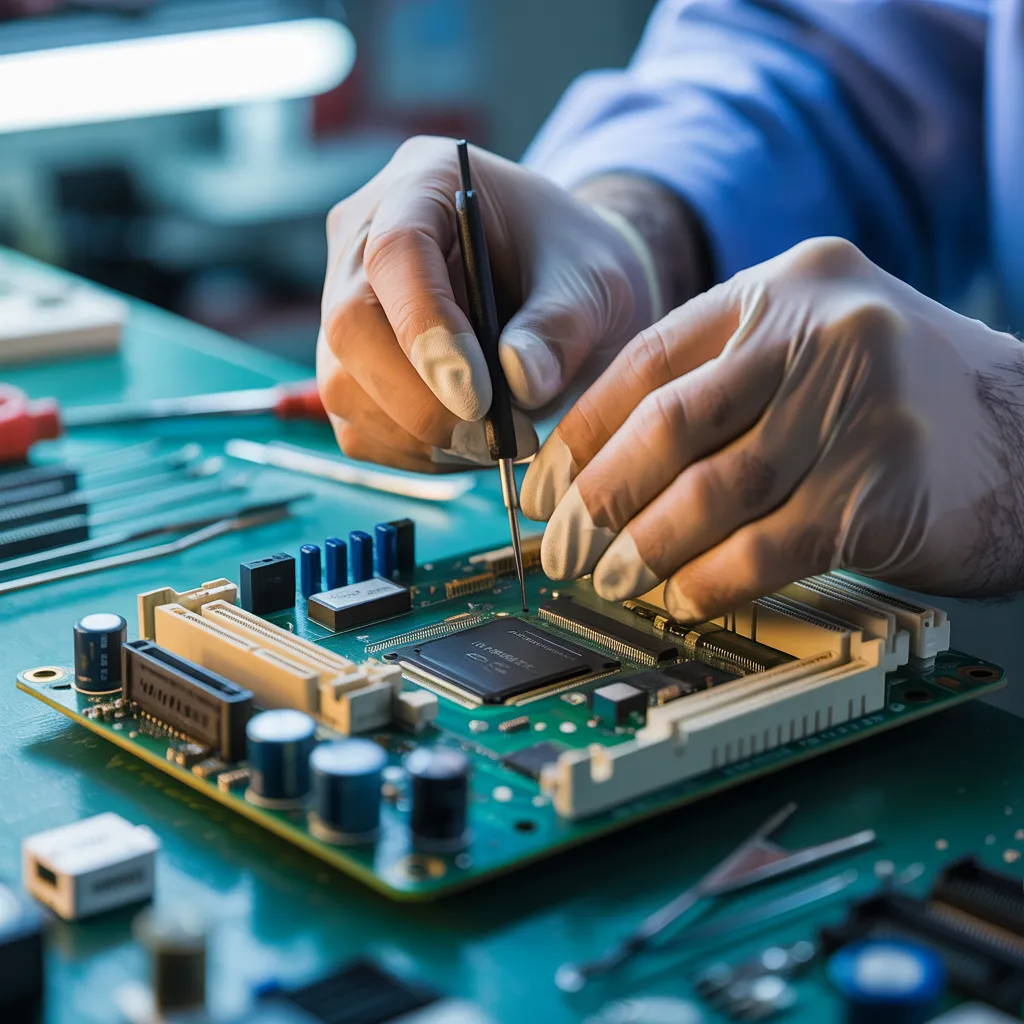
After this step, employees deconstruct the electronics, removing glass, metals, and plastics. This step is critical, as it allows for the extraction of rare metals like silver, gold, and copper, which are repurposed in new electronic products.
Next, the separated materials are handled through state-of-the-art techniques, such as shredding and specialized chemical treatments, to refine them for repurposing.
Ultimately, the remaining hazardous materials are disposed of responsibly, complying with environmental guidelines. This multi-step approach not only conserves resources but also mitigates the risks connected to unsafe e-waste handling, ensuring a more sustainable future for the consumption of electronics.
The Benefits of E-Waste Recycling for You and Your Community
Though many people are unaware, the advantages of e-waste recycling extend beyond personal convenience to positively impact entire communities. By responsibly disposing of electronic waste, individuals help foster a healthier environment, minimizing harmful substances that can contaminate soil and water. This proactive approach works to protect local ecosystems and advances public health.
Moreover, e-waste recycling fosters the creation of jobs in communities. Nearby recycling establishments regularly need employees for diverse activities, spanning collection through processing, consequently creating meaningful employment for community members. This not only enhances the community economy but also fosters community involvement in eco-friendly practices.
Furthermore, familiarity with e-waste recycling is capable of inspiring community outreach programs, encouraging residents to pursue greener alternatives. By enrolling in e-waste recycling programs, individuals promote a culture of sustainability, inspiring others to do the same. Overall, the combined impact of these actions can result in a more resilient and environmentally responsible community.
How to Pick an E-Waste Recycling Service
Choosing the most suitable e-waste disposal service is crucial for guaranteeing that electronic refuse is handled in a responsible and sustainable manner. To begin, individuals should verify the provider's certifications, such as e-Stewards or R2, which demonstrate conformance to professional guidelines for secure waste disposal procedures. It's also important to examine the organization's standing by reading customer reviews and looking for advice from dependable sources.
Next, clarity in the recycling process is essential. A dependable provider should provide clear information about how e-waste is processed and how the materials are utilized. Furthermore, considering the scope of services provided can prove valuable; some companies may provide pickup services or offer incentives for recycling.
Ultimately, familiarizing yourself with local regulations regarding e-waste disposal may further shape the decision-making process. When these considerations are given priority, consumers can play a role in successful electronic waste reduction as well as promoting eco-friendly habits.
Ways You Can Participate in E-Waste Recycling?
Engaging in e-waste recycling may begin at the local level, where local recycling facilities often provide essential services for safe disposal. Furthermore, taking part in community awareness campaigns can amplify efforts to inform others regarding the importance of proper e-waste handling. These initiatives not only encourage sustainable practices but also build a collective sense of stewardship of the environment.
Nearby Recycling Facilities
Many local Explore all recycling centers serve a vital function in the recycling of e-waste, providing communities with accessible options to dispose of electronic waste responsibly. These facilities handle a selection of digital devices, including outdated computers, mobile phones, and TVs, making certain that hazardous materials are managed safely. Most stations have experienced team members who are able to assist individuals with correct disposal techniques, emphasizing the importance of recycling over landfilling. Moreover, several stations organize planned drop-off gatherings or set collection days, making it easy for residents to participate. Through the use of these community services, people help build a circular economy, lowering environmental harm and encouraging sustainable habits. Working alongside these hubs empowers communities to take action against e-waste pollution effectively.
Community Awareness Campaigns
Nearby organizations, schools, and enterprises can work together to organize events that support e-waste collection drives. Volunteers can play a pivotal role in raising awareness, sharing informational resources, and connecting with local residents. Through these collective efforts, community members grow more knowledgeable and inspired to dispose of their electronics responsibly, thereby helping to build a greener and more sustainable tomorrow.
Answers to Your Most Common Questions
What Kinds of Electronics Can Be Recycled?
Various electronics may be recycled, including smartphones, computers, laptops, televisions, printers, and gaming consoles. Furthermore, accessories such as mice, keyboards, and batteries are well-suited for recycling, supporting efforts to conserve the environment.
Is There a Cost Associated With E-Waste Recycling?
That's correct, e-waste disposal can include fees, subject to the facility. Some service centers charge fees for gathering or treatment, while other facilities offer free services, typically funded by the sale of reclaimed components.
How Can Businesses Benefit From E-Waste Recycling?
Businesses can benefit from e-waste recycling by reducing disposal costs, enhancing their environmental image, adhering to regulatory requirements, extracting valuable resources, and possibly earning income through resale, thereby fostering a more environmentally responsible business approach.
What Occurs with Data on Recycled Devices?
Data from repurposed electronics is often permanently erased or obliterated during the refurbishment process. This confirms sensitive information remains secure, stopping improper access while enabling components to be reused securely and sustainably within new applications.
Can I Recycle Broken Electronics?
Indeed, non-functioning electronics can be recycled. A wide range of facilities take in damaged devices, providing proper disposal and recovery of useful materials. This effort helps reduce the environmental footprint while promoting eco-friendly recycling methods to manage electronic waste effectively.